Address
304 North Cardinal St.
Dorchester Center, MA 02124
Work Hours
Monday to Friday: 7AM - 7PM
Weekend: 10AM - 5PM
Address
304 North Cardinal St.
Dorchester Center, MA 02124
Work Hours
Monday to Friday: 7AM - 7PM
Weekend: 10AM - 5PM

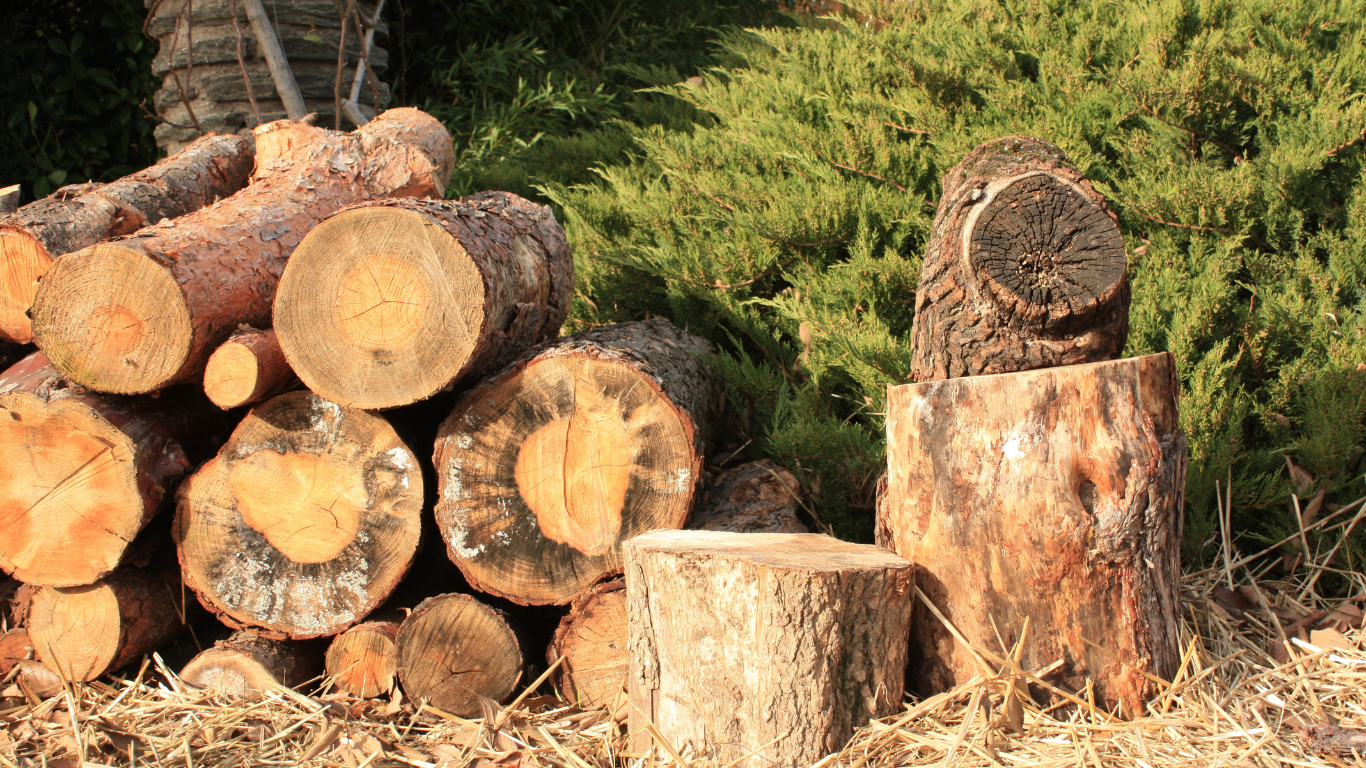
For many Australian homeowners, a weekend in the garden often involves tackling those stubborn leftovers of tree removal: the stump. When looking at a protruding base in the backyard, the financial math seems simple. You can head to a local equipment hire outlet, grab a portable unit for a $200 hire fee, and do it yourself. Alternatively, you could call a specialist and receive a $300 professional quote.
At first glance, you are saving $100. But in the world of Australian arboriculture—where dense hardwoods like Ironbark and Spotted Gum are common—that $100 “saving” often evaporates before the first woodchip hits the ground. Between transport logistics, fuel costs, potential property damage, and the sheer physical toll of operating heavy machinery, the “DIY win” can quickly become a costly headache.
This guide breaks down the true cost of DIY stump grinder hire vs. professional service in 2026, helping you decide if that $100 is a genuine saving or a risky gamble.
See more: Tips for Choosing the Right Stump Grinding Service Near You
Before comparing costs, it is essential to understand what the process actually entails. Stump grinding is the mechanical process of shaving down the remaining tree structure to below ground level (typically 150mm to 300mm) using a high-speed rotating disc equipped with carbide-tipped teeth.
Hiring a unit involves renting a “walk-behind” or “handlebar” grinder. These are designed to be portable and fit through standard garden gates. However, their light weight means they rely on the operator’s physical strength to pivot the machine across the stump.
A professional arborist typically arrives with a high-horsepower, hydraulic, or tracked commercial grinder. These machines exert thousands of kilograms of force, turned into cutting power that pulverizes wood in minutes rather than hours.
To determine if DIY stump grinder hire vs. professional service is the right choice, we must look beyond the sticker price.
| Expense Item | DIY Hire (Estimated) | Professional Service |
| Base Service/Hire Fee | $190 – $220 (4-8 hours) | $250 – $350 (Full Job) |
| Trailer/Ute Rental | $60 – $90 (If required) | Included |
| Fuel & Consumables | $15 – $25 | Included |
| Damage Waiver/Insurance | $20 – $40 | Included (Public Liability) |
| Safety Gear (PPE) | $30 – $50 (If not owned) | Included |
| Total Estimated Cost | $315 – $425 | $250 – $350 |
As the table demonstrates, once you account for the “hidden” costs of transport and protection, the DIY option often costs more than hiring a professional.
A professional can typically grind a medium-sized (40cm) Eucalyptus stump in 20 to 30 minutes. For a DIYer using a rental machine with potentially dull teeth, the same stump can take 2 to 4 hours of grueling physical labor, excluding the time spent driving to the hire yard and cleaning the machine afterward.
Australia is home to some of the densest timbers in the world. Species like Grey Box, Ironbark, and Jarrah have Janka hardness ratings far exceeding the softwoods (like Pine) that many entry-level rental grinders are designed for.
The most significant factor in the DIY stump grinder hire vs. professional service debate isn’t the cost—it’s the risk.
If a stone flies out from your rental grinder and smashes a neighbor’s floor-to-ceiling glass window or dents a car, your standard home insurance may not cover you for “professional-grade machinery” operation. A professional service carries $10 million to $20 million in Public Liability Insurance, ensuring that any accidental damage is fully covered.
Stumps don’t grow in a vacuum; they share space with:
Professionals are trained to identify signs of underground services and often include “Dial Before You Dig” checks in their workflow. Severing an NBN line can result in repair bills in the thousands—far outweighing any hire-fee savings.
If you choose a professional service, here is the standard framework they follow to ensure a safe and clean result:
If you are determined to go the DIY route, avoid these frequent pitfalls:
Yes, in most residential cases. Grinding is less invasive, cheaper, and doesn’t leave a massive cavern in your yard that requires imported fill.
Absolutely. The “stump fluff” is excellent mulch for garden beds, though it is high in carbon, so you may need to add nitrogen-rich fertilizer if planting directly over it.
Generally, no. While tree removal often requires a council permit, grinding the remaining stump usually does not. However, always check your local Council’s Vegetation Management Plan if the tree was a protected species.
For standard lawn, 150mm is sufficient. If you plan to build a structure or driveway over the area, you may need “deep grinding” or full excavation.
Most Australian hardwoods will not regrow once the “crown” (the area where the trunk meets the roots) is destroyed. Some species, like certain Wattles or Elms, may send up “suckers,” but these can be managed with targeted treatments.
When weighing up DIY stump grinder hire vs. professional service, the math rarely favors the DIYer. For a measly $100 difference—which often disappears once fuel and trailers are added—you are trading a guaranteed, insured result for a day of hard labor and significant risk.
In the Australian context, where the sun is hot and the timber is hard, the value of a professional service lies in its efficiency and peace of mind. Why spend your Saturday wrestling a 200kg machine when a specialist can have the job finished, cleaned, and insured before your morning coffee gets cold?
Internal Linking Suggestions:
Authoritative External References:
